
Interdisciplinary / 10
Cultural Heritage Impact Assessments in Ontario
BORDEAUX plus has prepared and submitted five Cultural Heritage Impact Assessments to date, including three to the City of Montréal. Our heritage planning team feeds the findings straight into your Site Plan Control or Zoning By-law Amendment application.
Request a Preliminary Site Review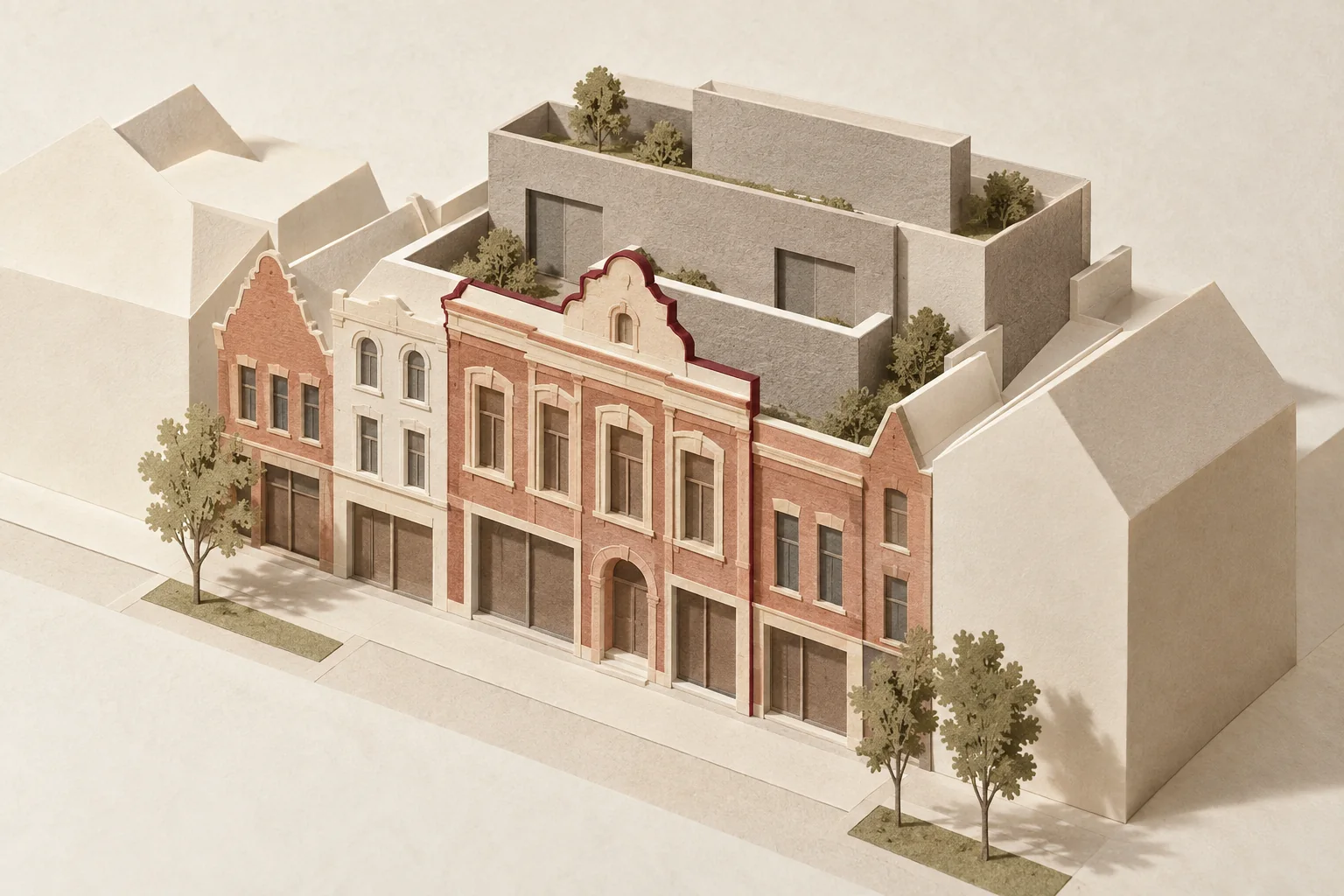
What a Cultural Heritage Impact Assessment Is
A Cultural Heritage Impact Assessment, often called a CHIA, identifies heritage resources on or near your property, looks at how your proposal could affect them, and recommends ways to protect what matters. It's prepared under the Ontario Heritage Act and Provincial policy, which say protected heritage property should be conserved and development next to it should be evaluated. Many municipalities ask for one before they'll move a planning application forward.
When One Is Required
Rules differ by municipality, and staff usually flag the requirement during early consultation or initial review. An assessment is commonly requested when your property:
- Is individually designated under Part IV of the Ontario Heritage Act
- Sits within a heritage conservation district under Part V
- Is listed on a municipal heritage register
- Is next to a designated or listed heritage property
A listed property isn't designated, but the municipality sees potential heritage value in it, so don't assume that non designated means no heritage review. We're happy to check the register when you request a Preliminary Site Review.
What the Assessment Covers
A typical assessment is built from these pieces, all coordinated with your overall planning rationale:
- Historical research and an evaluation of cultural heritage value
- Identification of heritage attributes
- Assessment of potential impacts from your proposal
- Evaluation of alternatives and mitigation measures
- Recommendations coordinated with municipal heritage staff
How Heritage Findings Shape the Design
Heritage conclusions often change massing, setbacks, materials, and layout, so they work best when they reach the designers early. We bring the recommendations into your urban design and planning drawings to avoid late redesign, then keep the heritage position consistent across your Site Plan Control or rezoning submission.
Plan Early to Avoid Delays
A heritage requirement discovered late can pause an application while research and reporting catch up. Checking a property's heritage status at the start lets you build the assessment into your schedule. Where heritage and environmental issues overlap, we handle Conservation Authority coordination on the same timeline.
What Happens if Impacts Are Found?
When an assessment flags potential impacts, the next step is mitigation, such as design changes, adjusted setbacks, or conservation measures for significant features. Municipal heritage staff and, where applicable, the heritage committee review the findings, so clear and practical recommendations make review easier and help keep an Official Plan Amendment or rezoning on track.
Heritage Planning Under One Roof
We prepare these assessments ourselves, and we've prepared and submitted five to date, including three to the City of Montréal. Keeping heritage work with the planning team means it stays consistent with your Planning Justification Report and the wider application timeline, led by Piere Bordeaux.
Municipal Review and Final Decisions
BORDEAUX plus manages the application through municipal review and decision-making; the municipality, Committee of Adjustment, Council, Conservation Authority, or other applicable approval authority makes the final decision.
If your Ontario property might be subject to heritage review, an early assessment can head off delays later. Take a look at our Planning Approvals services, or request a Preliminary Site Review to talk it through.
Start with a conversation
A considered next step.
Let’s explore yours.
We will reply by email and can offer a virtual meeting link.
Request a Preliminary Site Review